Visiting Masiphumelele
In the last podcast, I talked about a program called Surfpop for which I have volunteered last October and November. The South African-children-included-in- the program are from foster families that live in the most under-resourced townships of Cape Town. One of these townships, supplying about half of the Surfpop students, is Masiphumelele (the other half mostly come from Ocean View-and-Khayelitsha-townships). We were offered the chance to visit Masiphumelele and experience 'our' children's daily lives and homes, a unique opportunity that I was keen to take!
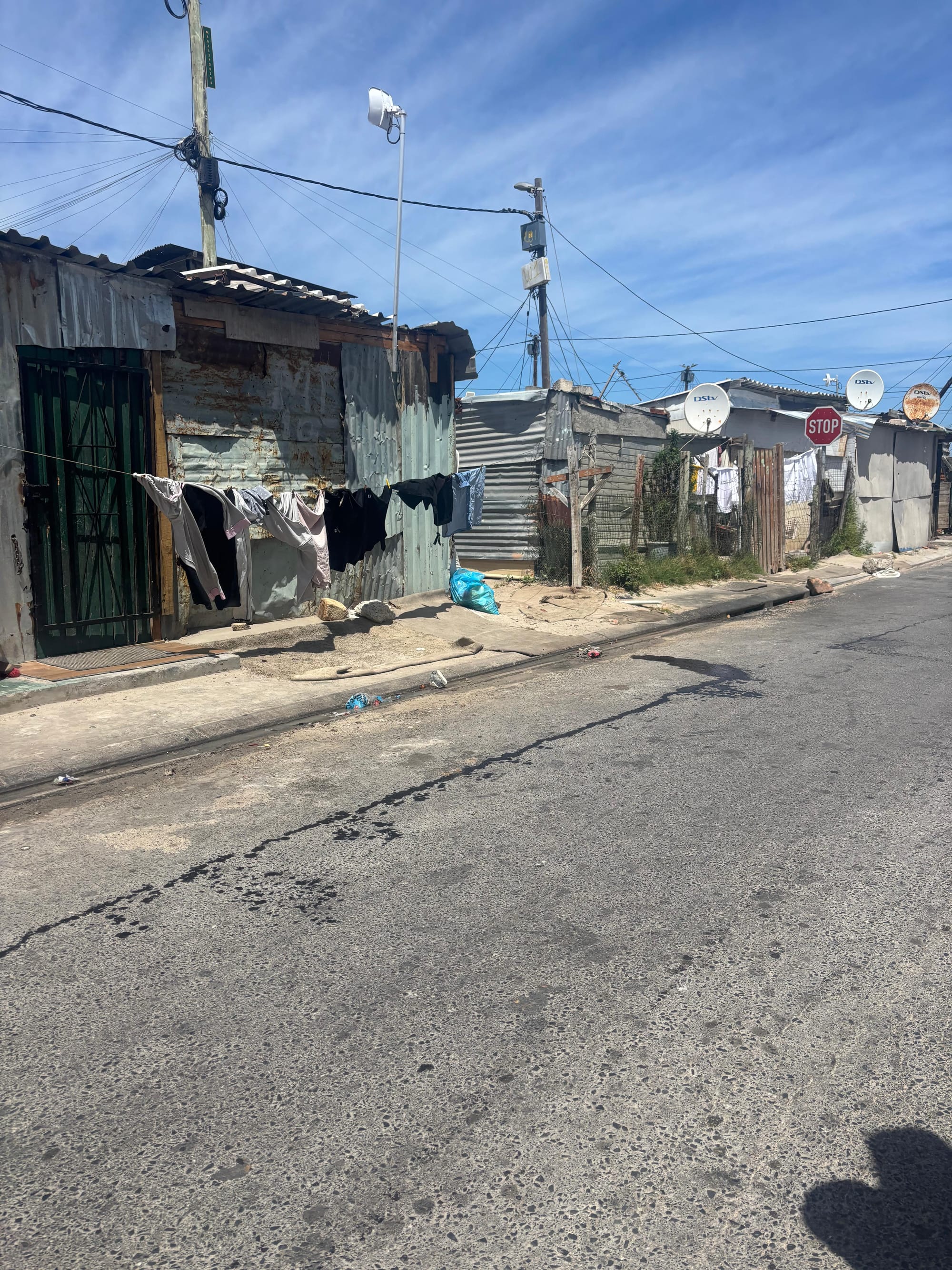
We walked through Masiphumelele under the guidance of Zwai Khumalo, who works for the Surfpop foundation and is a leader in the local community. During the visit, Zwai-told-us-a-lot about the history and community of 'Masi' while also highlighting the many challenges it faces. The few pictures that I was allowed to take I have shared here.
Masi was originally a small town where around five hundred Black-families settled during The Apartheid (1948 to 1994). At that time, low-income Black Africans in Cape Town were forced to move from the centre to the outskirts of the city. Now Masi has grown into a diverse African community (including people from Zimbabwe, Mozambique, Somalia and Malawi) with approximately sixty thousand people. It is an example of a post-Apartheid township, that is not only showing displacement and segregation, but also resilience, agency, and community-building-by-its-residents. The name Masiphumelele is an example of this, as in Xhosa (one of the languages of South Africa) it means "let us succeed" or "we shall succeed". Walking through the township with a community leader like Zwai Khumalo immediately gave me the insight into what a strong community it really is. It was incredible, we could not walk 100-meters without 10 people coming to greet Zwai and being interested to meet us as well.
From the moment you enter Masi it is very clear that people are struggling. Around forty to fifty percent of the adults are unemployed, so there is severe poverty. Next to that, there is a huge housing shortage as the government is not granting neighbouring (empty) land for construction. The self-built homes are mere shacks that are not insulated for winter, whilst also overpopulated and unhygienic, causing sickness and even death. The toilets that people use are portable toilets on the streets that have been installed there permanently, and Zwai told us that faeces are rarely collected. This results in the faeces (and other trash) being dumped on the streets. Like other townships, Masi is dealing with high burdens of disease (about one fourth of the people have HIV), and there is only limited public health capacity. There is also a lot of crime, and the government has not provided any resources for a police station or patrolling officers.
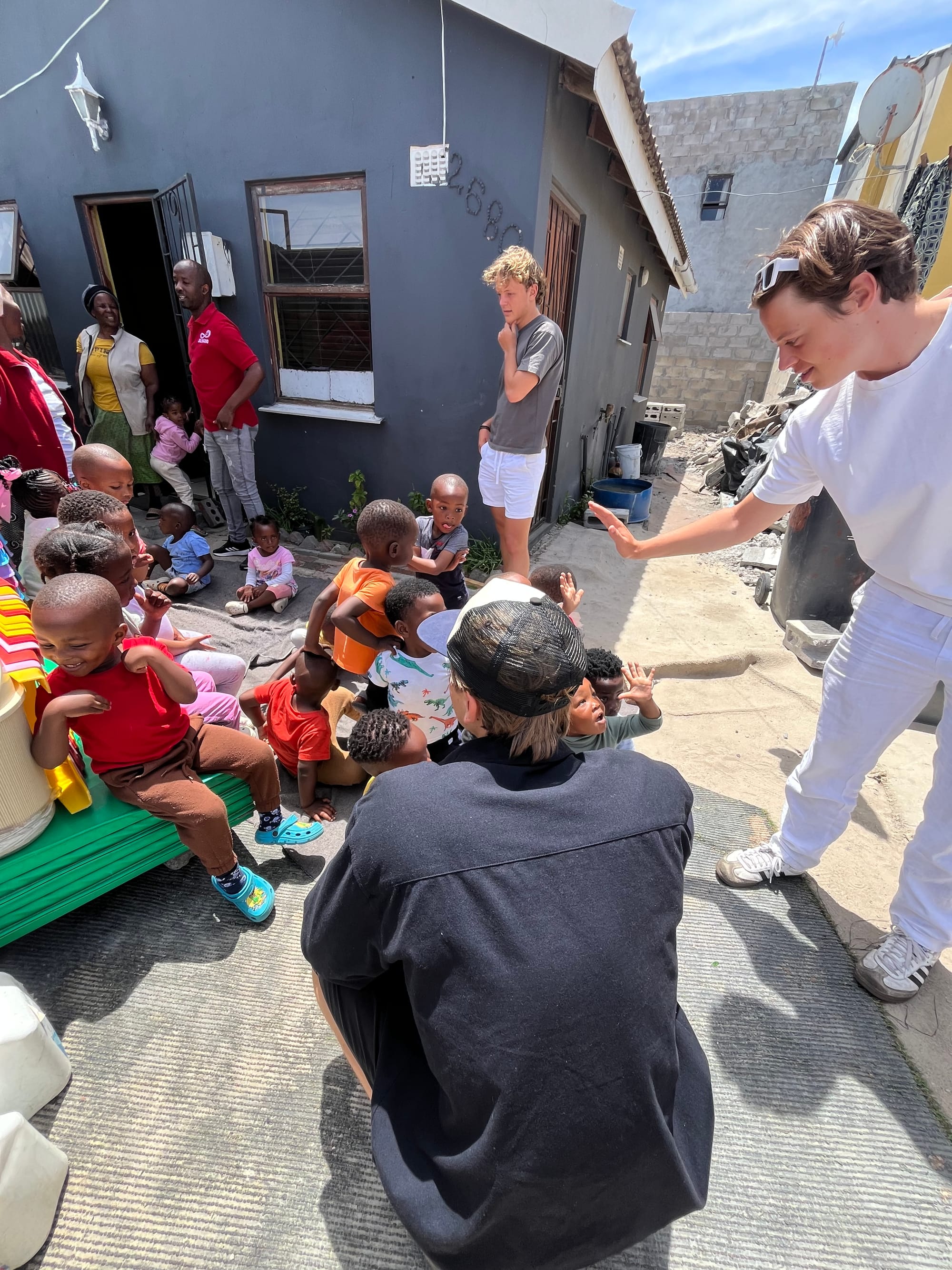
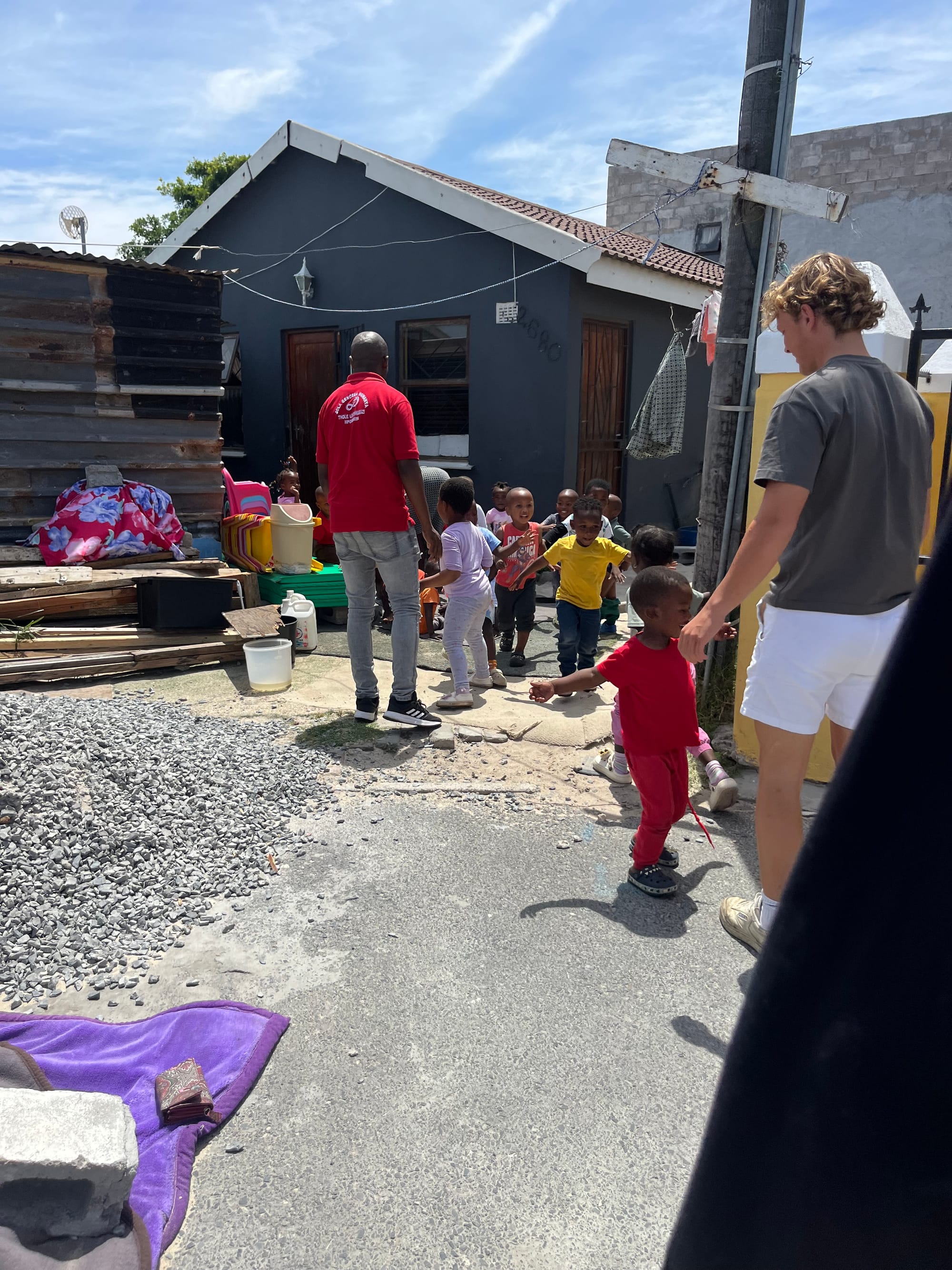
Above are pictures that I took of a kindergarten in Masi (though most children don't go there and you find them roaming the streets instead). As you can see, the children's playground is covered with rubble and debris. As there is no waste collection system to pick up trash, a lot of people burn their waste, which causes air pollution that can lead to respiratory illness. I can speak firsthand, that the taste of burnt waste in your mouth is extremely unpleasant.
This air pollution is one of the three big environmental issues in Masi. In addition to the waste burning, they burn other biomass fuels as there is lack of acces to electricity. Zwai told us that solid fuels such as wood, coal or paraffin are generally used for cooking and heating.
The second environmental damage happening in townships like Masi is the water pollution. As previously mentioned, there is not sufficient infrastructure for sewage and waste water, leading it to be disposed in yards, streets, and storm drains. This causes groundwater contamination that leads to pathogens like E. coli to grow, which obviously harms aquatic ecosystems. Pollutants from medication, caffeine and antiretroviral drugs (to treat HIV) further add to the damage.
The third major environmental issue in Masi is the enormous waste pollution, also mentioned above. Illegal dumping caused by the lack of waste collection leads to diseases like pest infestations. In addition, rats, flies, and cockroaches are attracted by the food waste, spreading further diseases.
Seeing the environmental issues in Masi up close-the smoke, the dirty water, and all the waste-was honestly really shocking. It made me realise how badly things need to change, but also how strong the people are for dealing with it every day. I am happy that through Surfpop I have, hopefully, been able to make a small difference in the lives of some of the Masi-children, teaching them surfing as well as English and maths, One thing I am sure of however, is that they have made a huge difference in my life! I'm very thankful for this, and also thank you for tuning in for another blog of the EcoNomad.