Japan's waste culture

Hi everyone!
I know, it's been a while. Life has been crazy lately, but I am back and fully inspired with new topics to write about! For starters, Japan and its waste culture.
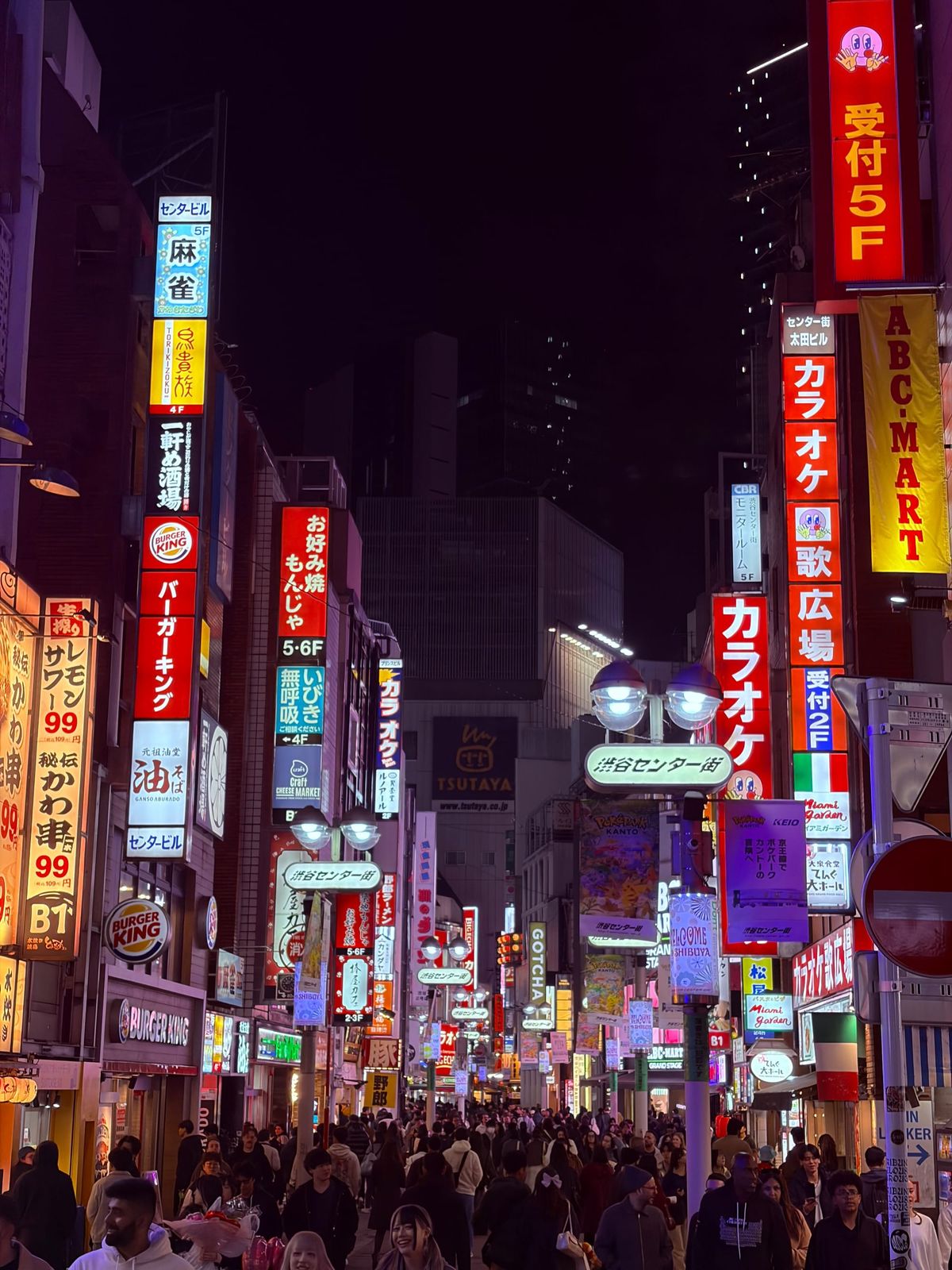
After living in Japan for 4 months working as a ski instructor and traveling the country, I have to say that I loved everything about it. There was however something that shocked me, the overconsumption of plastic. Especially the food industry in Japan has taken over-packaging to another level. For example, I pretty much lived off 7/11 meals for the duration of my trip, each meal would feature multiple layers of plastic wrap between different ingredients. If you buy a box of cookies, when opening the (plastic) box, each cookie will be wrapped individually as well. At first I thought this was just done for presentation and convenience, which of course it partly is, but it also has to do with Japan's deeply rooted cultural practice of prioritizing hygiene and safety. This practice, however, results in the production of excessive plastic waste creating environmental challenges for the country.
The Japanese way of going about waste separation is however admirable. Japan does not have any public trash cans. In 4 months I did not find one. Your trash is your own problem. Everyone takes their trash home and disposes of it in one of 5 trash cans. Every Japanese household or workplace has different trash cans for combustibles, non-combustibles, pet-bottles, (aluminum) cans and hazardous waste. This unique way of waste separation is truly something to learn from, and definitely a habit I will be taking home. I would like to note however that I am quite happy that I don't have to carry my trash around all day anymore.
Then comes the third and last stage of waste management, disposal. In contrast to, for example, the US, Japan has very few landfills. Many of these are artificial islands filled with ash from the country’s numerous incinerators. 70-80% of Japan's trash is burnt. Their incinerators (especially the modern ones) generate a lot of power using Japan’s trash as "fuel". If you were to count this "thermal recycling" (which the Japanese do) the following statistic would be higher, but around 20% of waste in Japan is recycled. The majority of this percentage comes from the high recycle rate of PET bottles. This high recycle-rate is supported by advanced PET recycling methods and a culture of waste separation leading to a yearly PET recycling rate near 90%. Household waste (plastic) recycling however is quite minimal.
Since pollution scandals in 1990 when waste incinerators produced dioxins and toxic gases Japan has created one of the most efficient waste incineration systems in the world, focusing on filtration of toxic gases, minimizing pollution and using produced ash in construction projects. And of course not to forget, maximizing the amount of energy produced by these waste incinerators! I am not saying it's a perfect system, efficient trash incineration can discourage recycling and burning waste does lead to a lot of carbon dioxide emissions. And Japan should definitely work on their plastic overconsumption and recycling, but all in all it was a pretty cool system to get to know during my time in Japan.
Japan is a country highly advanced in both technology and hygiene, and it was fascinating to see how one contributes to plastic overconsumption while the other drives highly efficient waste management. Thank you all for joining in today. I enjoyed writing this and reflecting on what was an awesome time in Japan, there's more to come!